


The cost of running your pool can have a way of creeping up without you noticing. Electricity, chemicals, water top-ups. None of it is expensive on its own, but it adds up over time.
The good news is that most of it is avoidable with the right setup and a bit of consistency.
Start with a Pool Cover
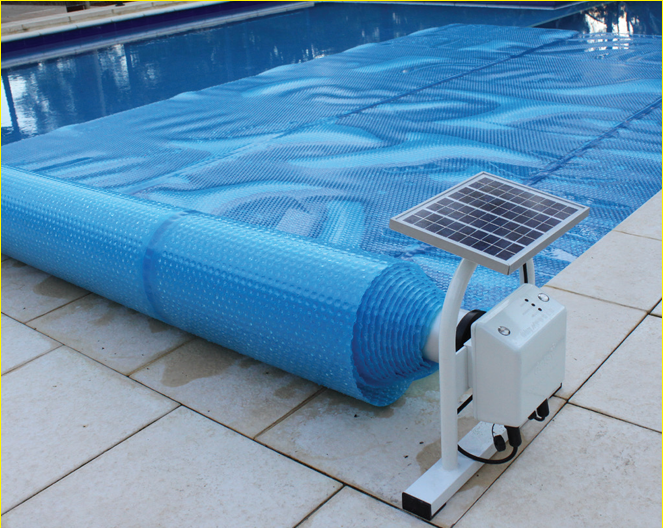
A pool cover is the simplest way to reduce what you spend on water and heating.
Evaporation is a major source of water loss in an Australian pool, and in summer it happens faster than most people expect. A cover keeps most of the moisture in the pool whenever it is on and means your heater is not working as hard to maintain temperature.
Browse our range of pool covers to find one that suits your pool shape and size.

Test Your Water Regularly with a Pool Test Kit
When your water is out of balance, everything costs more. Chlorine becomes less effective, your sanitiser works harder to keep up, and you end up adding more chemicals than you actually need to.
A good pool testing kit makes it easy to stay on top of. Test at least once a week during summer and adjust early rather than waiting until something looks obviously wrong.
| Parameter | Ideal Range |
|---|---|
| pH | 7.2 to 7.6 |
| Total alkalinity | 80 to 120 ppm |
| Free chlorine | 1 to 3 ppm |
| Calcium hardness | 200 to 400 ppm (check your pool surface manufacturer's guidelines) |

Palintest Chloride Photometer Test Tablets - Pool & Spa Water Testing
Switch to LED Pool Lights
If your pool is still running halogen lights, it is worth swapping them out.
Swimming pools with LED lights use a fraction of the power, the lights last a lot longer, and most modern options come with colour-changing features as standard.It is one of those changes that costs very little to make and will keep paying off.
Check for Pool Leaks Regularly
A slow leak around valves or pipe joiners can lose many litres before you notice anything is off. For older pools especially, it is worth having a look at the equipment pad and fittings every few months.
Not sure whether you are losing water to a leak or just evaporation? The bucket test will tell you.
Fill a bucket with pool water, sit it on a pool step, and mark both water levels. Leave it 24 hours without running the pool. If the pool has dropped more than the bucket, you likely have a leak worth looking into.
Run Your Pump and Filter Efficiently
Your pump uses a lot of energy, so it is worth making sure it is running at the right times and not working harder than it needs to.
-
Run overnight or early morning: off-peak electricity is cheaper in most Australian states, and the pool does not know the difference.
-
Keep your filter clean: a blocked filter restricts flow and forces the pump to compensate. It is one of those small things that quietly adds to your running costs.
-
Match your run time to the season: most residential pools need six to eight hours of filtration per day in summer. You can usually pull that back in cooler months.
If your pump is more than ten years old and single-speed, upgrading to a variable speed model will make a noticeable difference to your electricity bill. Not sure which pump suits your pool? Our how to choose the right pool pump guide walks you through it.
Simple Habits That Save Money
A few basic habits will keep everything ticking along between services.
-
Keep water sitting halfway up the skimmer opening: this helps the pump draw correctly and maintain efficient circulation.
-
Empty the skimmer basket regularly: don't wait until it is restricting water flow.
-
Check O-rings and fittings: inspect your pump and filter every now and then for signs of wear.
-
Keep the pool surrounds clean: less debris entering the pool means less work for your filtration system.
Frequently Asked Questions
Do pool covers really make a difference to running costs?
Yes, significantly. A pool cover reduces water loss from evaporation and cuts heat loss overnight, which means your heater works less to maintain temperature. For most pool owners it is the single highest-return efficiency purchase available.
How often should I use a pool test kit?
Once a week during summer is the minimum for most Australian pools. In cooler months when the pool sees less use, every two weeks is usually enough. Test immediately after heavy rain or any time the water looks off.
Is it worth switching to LED lights for a swimming pool?
Yes. Swimming pools with LED lights use significantly less electricity than halogen equivalents and the globes last far longer. The upfront cost of switching is relatively low and the savings on electricity and replacement globes add up over time.