


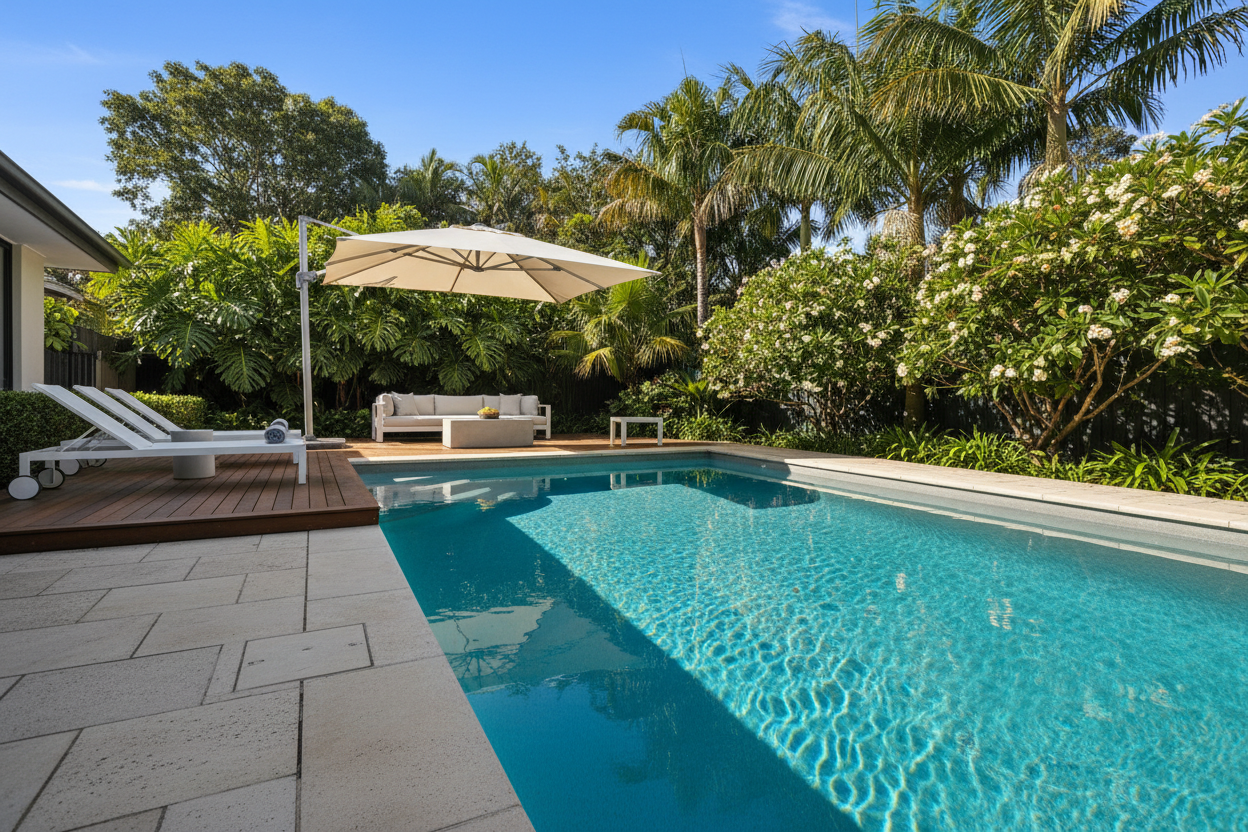
To choose the right pool pump, match the pump's flow rate (in litres per hour) to your pool volume and filter type. Most Australian residential pools need a pump that turns over the full pool volume every 6–8 hours. Variable speed pumps are recommended for most modern setups.
Choosing the right pool pump is one of those things that can make owning a pool either easy — or frustrating and expensive. Pick a pump that's too small and you'll end up dealing with cloudy water and weak circulation. Go too big and your electricity bill climbs quickly. The sweet spot is finding a pump that suits your pool size, your filter, and your overall setup.
What Size Pool Pump Do I Need?
There's no one-size-fits-all answer when it comes to pool pumps. The right setup depends on a combination of factors:
- Pool volume (in litres)
- Filter type — sand filter or cartridge filter
- Plumbing pipe diameter and run length
- Water features or attached spas
- Heating systems
- Salt chlorinators
- Robotic or pressure cleaning systems
A larger pool will usually need a higher-capacity pump, but flow rate matters just as much as raw size. Your pump and filter need to work together to keep water clean and circulating efficiently. As a rule of thumb, calculate your pool volume in litres and divide by 7 to get the minimum litres-per-hour flow rate you need.
Sand Filter vs Cartridge Filter Pumps
The type of filter you have plays a big role in choosing the right pump.
Sand Filter Pumps
A sand filter works best with controlled water flow. Push too much water through it and you can get channelling — where water cuts straight through the sand instead of filtering properly. That's why matching the right pump to your sand filter matters more than most people realise.

Astral Pool FG Side Mount Sand Filter
Cartridge Filter Pumps
Cartridge filter pumps are generally more flexible with flow rates and are popular for modern residential pools. They filter finer particles, use less water during cleaning, and often run more efficiently when paired with variable speed pumps.

Variable Speed vs Single Speed Pool Pumps
| Feature | Variable Speed Pool Pump | Single Speed Pool Pump |
|---|---|---|
| Best for | Most modern Australian pools | Smaller or older pool systems |
| How they operate | Adjust flow speed based on what the pool needs | Run at full power the entire time |
| Running costs | Lower long-term electricity costs | Higher electricity costs |
| Noise levels | Much quieter operation | Generally louder |
| Energy efficiency | More energy efficient | Less energy efficient |
| Filtration performance | Better day-to-day filtration control | Basic constant-speed filtration |
| Upfront cost | Higher initial investment | Lower upfront cost |
| Long-term value | Better long-term savings and efficiency | Better for budget replacements |
| Ideal choice if... | You want lower running costs and better efficiency | You want a simple replacement for an older setup |
Variable speed pool pumps have become the most popular choice for Australian pools — they're quieter, more efficient, and cheaper to run over time. Instead of running flat out all day, they slow down for everyday filtration and ramp up only when needed.
Single speed pool pumps still work well in some setups, but because they operate at full power all the time, they generally use more electricity and cost more to run long term.

How to Reduce Pool Running Costs
Your pool pump is usually one of the bigger energy users around the house, so getting it right can make a noticeable difference to your bills. A few simple ways to improve efficiency:
- Upgrade to a variable speed pool pump
- Keep your pool filter clean and unclogged
- Match the pump properly to your filter system
- Run lower speeds for everyday filtration
- Clean your sand filter or cartridge filter regularly
Regular maintenance also helps your pump run more efficiently over time. Dirty filters and blocked baskets make your system work harder than it needs to. For more detail, see our guide on how to cut pool running costs.
Best Pool Pumps by Pool Type
| Pool Type | Recommended Pump Type |
|---|---|
| Small plunge pools | Compact or variable speed pool pumps |
| Medium family pools | Variable speed pool pumps |
| Large pools (80,000L+) | Higher-capacity pool pumps |
| Saltwater pools | Saltwater-compatible pool pumps |
| Pools with spas or water features | High flow pool pumps |
| Pools with cartridge filters | Variable speed cartridge filter pumps |
| Pools with sand filters | Matched sand filter pumps |
Frequently Asked Questions
What size pool pump do I need for my pool?
The right pool pump depends on more than just pool size. Your filter type, plumbing setup, chlorinator and any water features all affect the ideal flow rate. As a guide, divide your pool volume in litres by 7 to get the minimum litres-per-hour flow rate. A pump properly matched to your filter will run more efficiently and keep your water cleaner.
Are variable speed pool pumps worth it?
For most Australian pools, yes. Variable speed pool pumps are quieter, more energy efficient and usually much cheaper to run long term compared to single speed pumps. They also give you more control over water flow and filtration, and can pay for themselves within a few years through electricity savings.
Can a pool pump be too powerful?
Yes. An oversized pump can push water through your pool filter too quickly, reducing filtration performance and increasing running costs. This is especially important with sand filter systems where excessive flow causes channelling — water bypasses the sand entirely and goes through unfiltered.
What is the best pool pump brand in Australia?
The most trusted pool pump brands in Australia include Astral Pool, Zodiac, Davey, and Onga (Pentair). Each brand offers a range of single speed and variable speed pumps suited to different pool sizes and filter types. The best brand for your pool depends on your existing equipment and budget.
How long should I run my pool pump each day?
Most pools need 6–8 hours of pump run time per day in summer to maintain good water quality. In winter, you can often reduce this to 4–6 hours. Variable speed pumps can run longer at lower speeds for the same energy cost as a single speed pump running for fewer hours. See our guide on how long to run your pool pump for more detail.
What's the difference between a sand filter pump and a cartridge filter pump?
Sand filter pumps need to be carefully matched to avoid channelling — too much flow and the water bypasses the sand media. Cartridge filter pumps are more flexible with flow rates and pair well with variable speed pumps. Cartridge filters also capture finer particles and require less water to clean than sand filters. See our sand filter vs cartridge filter guide for a full comparison.